What Affects the Lifespan of Exterior Paint in Austin, TX
Most exterior paint jobs don’t fail without warning. The signs show up gradually — a little fading on the south-facing wall, some chalking along the trim, a bubble or two near a window frame. What affects the lifespan of exterior paint isn’t random, and in Austin, the conditions that wear paint down are more intense than most general guidance accounts for. This guide covers what those conditions are, what the warning signs mean, and what actually determines how long a paint job holds up.
How Austin’s Climate Puts Exterior Paint Under Constant Stress
Austin’s climate is not a neutral environment for exterior paint. The combination of heat, UV radiation, humidity, and temperature variation creates compounding stress that most general paint lifespan estimates don’t account for.
Intense UV Exposure and Heat
Austin averages over 300 days of sunshine per year, and UV radiation is the single biggest driver of exterior paint degradation. Here’s what that UV exposure actually does to paint:
- Breaks down the binders that hold pigment in place, which causes fading
- Degrades the paint film’s flexibility over time, which leads to cracking
- Accelerates the process on any surface that absorbs heat
Heat compounds the damage. Surface temperatures on south- and west-facing walls regularly exceed air temperature by a significant margin, which means the paint on those walls is working harder than the paint on shaded or north-facing sides. Dark colors absorb more heat than light colors, which is why they tend to show UV damage faster in Austin’s climate.
Humidity and Moisture Cycles
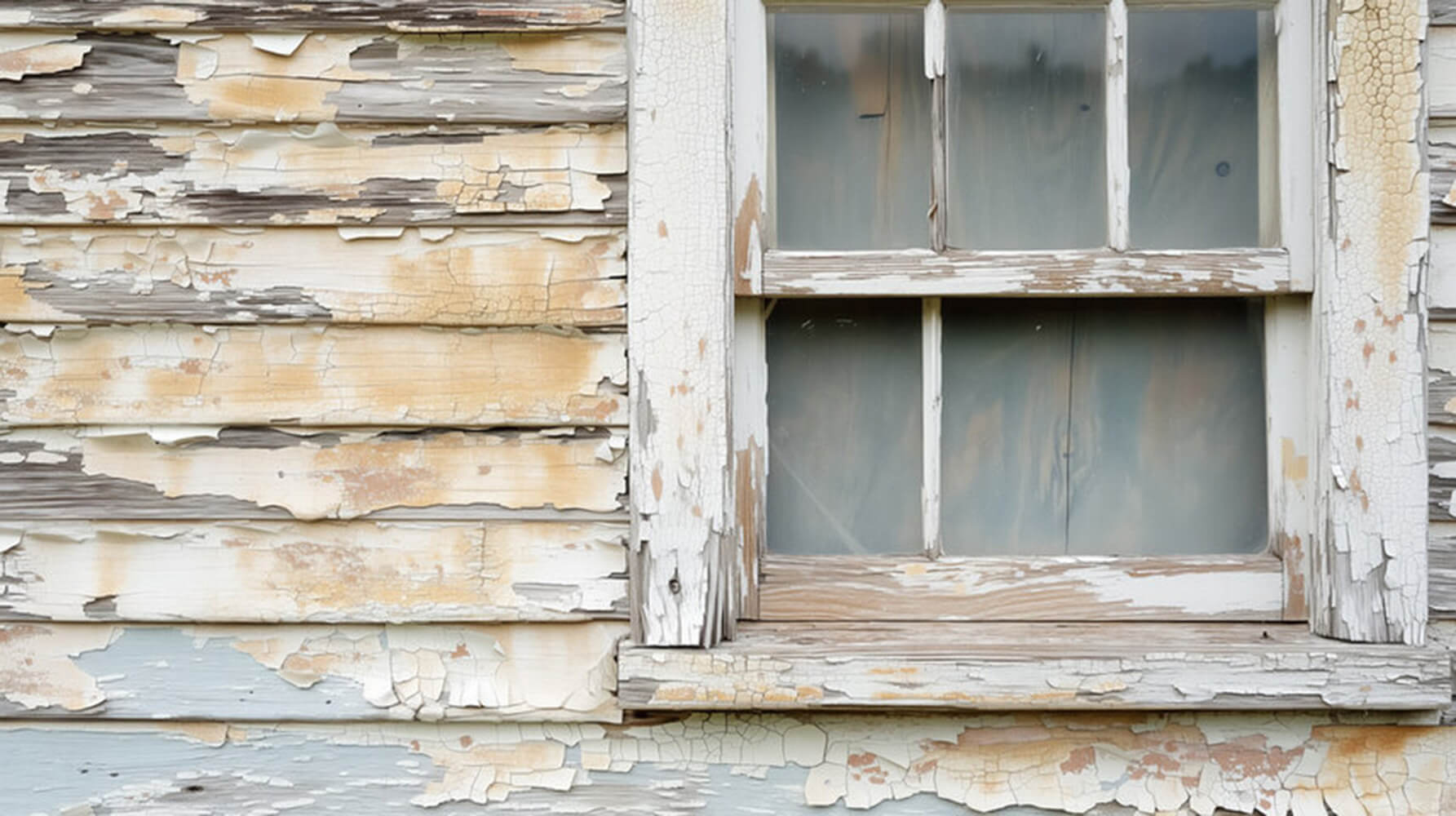
Austin’s humidity is inconsistent. Dry stretches followed by periods of high humidity and heavy rain cause siding materials to expand and contract repeatedly. When moisture gets behind the paint film, it breaks the bond between the paint and the surface. That’s the root cause of most peeling and bubbling.
Moisture damage tends to start at the most vulnerable points first:
- Around window frames and door frames where caulk has cracked or pulled away
- At trim joints where two surfaces meet
- Along the bottom edges of siding closest to the ground
Once moisture finds an entry point, it works its way behind the paint film and the damage spreads from there.
Temperature Swings Between Seasons
Austin winters bring freezing temperatures that contrast sharply with summer heat. Paint film expands and contracts as temperatures swing across seasons, and that repeated thermal cycling puts stress on adhesion over time. Wood siding is particularly vulnerable because it moves more than other materials as it responds to temperature and moisture changes. A paint job that looked solid after its first summer may begin to show stress fractures after cycling through several seasons.
What Affects the Lifespan of Exterior Paint Beyond the Weather
Climate is the environment the paint lives in, but the paint job itself determines how well it holds up inside that environment.
The Surface Being Painted
Not all siding materials hold paint the same way. Here’s how the most common materials in Austin compare:
- Wood siding expands and contracts with moisture and temperature more than any other material, making it the most demanding substrate. In Austin, wood typically needs repainting every 5 to 7 years.
- Fiber cement siding is more dimensionally stable and can stretch to 10 to 15 years with proper prep and quality paint.
- Stucco varies depending on condition and exposure, but generally falls in the 7 to 10 year range in Austin’s climate.
These are starting points, not guarantees. Austin’s intensity tends to push timelines toward the shorter end of any range. Surface condition at the time of painting also matters as much as material type. Paint applied over a compromised surface will fail early regardless of how good the paint is.
Paint Quality and Application
Paint grade affects how much resin and pigment binder is in the formula. Higher quality paint has more of both, which translates directly to better adhesion, better color retention, and more flexibility as the surface moves. For Austin’s climate, 100% acrylic exterior paint is the right category. It handles UV exposure, moisture, and thermal movement better than oil-based alternatives.
How paint is applied affects longevity as much as what paint is used. The factors that matter most:
- Film thickness: Paint applied too thin doesn’t provide adequate protection, regardless of quality
- Number of coats: Two coats at proper thickness outperforms one heavy coat or two light ones
- Conditions during application: Temperature and humidity at the time of painting affect how the paint cures and bonds to the surface
Color Choice and Sun Exposure
Darker colors absorb more UV energy and heat than lighter ones. They fade faster and put more thermal stress on the paint film over time. South- and west-facing walls get the most direct sun in Austin and will show wear first regardless of color. That doesn’t mean dark colors are the wrong choice. It means knowing what to expect and factoring it into how you plan for maintenance down the road.
What Fading, Peeling, and Chalking Are Telling You
Each type of visible wear has a specific cause. Understanding what you’re looking at helps you assess how far along the deterioration actually is.
Fading and Chalking
Fading is UV breaking down the pigment in the paint film. It’s a surface-level indicator that the paint’s protective capacity is declining, and it tends to show up first on walls with the most sun exposure. Chalking goes a step further. When UV degrades the binders holding the paint film together, the paint turns to a fine powder that transfers to your hand when you run a finger across the surface. Both fading and chalking signal that the paint is at or near the end of its useful life, but on their own they don’t indicate structural damage beneath the surface.
Peeling and Cracking
Peeling is an adhesion failure. The paint film has separated from the substrate, almost always because moisture worked its way behind it. Cracking is a flexibility failure. The paint film has become brittle and can no longer move with the surface as it expands and contracts. Both conditions require more than a fresh coat of paint to fix correctly. The underlying cause has to be identified and addressed before repainting, or the new coat will fail for the same reason.
Bubbling or Blistering
Blistering happens when water vapor gets trapped behind the paint film and pushes it away from the surface. It often appears first on south- and west-facing walls where heat accelerates moisture movement through the substrate. Blistering caught early can be addressed before it spreads into widespread peeling. Of the warning signs on this list, it’s one of the more important ones to act on without delay.
What Extends Exterior Paint Life in Austin’s Conditions
The variables that shorten paint life are mostly fixed. But the decisions made before and during a paint job directly affect how long it holds up against them.
Surface Preparation Before the Job Starts
Preparation is the single biggest determinant of how long a paint job lasts in Austin. More than paint brand, more than color, more than the number of coats. A thorough prep process on an Austin exterior includes:
- Power washing to remove dirt, mildew, and chalking residue
- Scraping and sanding any areas where the existing paint has failed
- Caulking gaps around windows, doors, and trim joints
- Priming bare wood, repaired areas, and any surface that has been stripped down
Skipping or shortcutting any of these steps is the most common reason a paint job fails earlier than expected. The paint has nowhere solid to bond to, and the underlying vulnerabilities don’t disappear under a new coat.
Paint Quality and the Right Product for the Climate
Premium 100% acrylic paint formulated for high-UV, high-heat environments performs significantly better in Austin than builder-grade products. The practical difference shows up in color retention, adhesion strength, and how the film holds up as the surface moves through seasonal temperature changes.
The cost difference between paint grades is modest relative to the total cost of the job. Labor is the largest expense in any exterior paint project. Using a lower grade of paint to reduce material cost is one of the least efficient places to save money on a project of this scale.
How a Professional Applies Paint Differently
Film thickness matters more than most homeowners realize. Paint applied too thin won’t provide adequate protection regardless of quality. Professional painters follow manufacturer spread rates to ensure the film builds to the right thickness across the entire surface.
Timing also matters in Austin specifically. Painting in extreme heat or direct sun causes paint to dry too fast, which compromises how it bonds to the surface. Experienced Austin painters know how to schedule and sequence work around the climate so the paint cures the way it’s supposed to.
What to Do When You Start Seeing the Signs
Noticing wear on your exterior paint is actually useful information. It tells you where the paint job is in its lifespan and how much time you have before the underlying structure becomes vulnerable. The difference between acting on early signs and waiting until the paint has fully failed is significant. Early intervention means a straightforward repaint. Waiting can mean dealing with wood rot, moisture intrusion, or structural repairs alongside the new paint job.
A professional exterior assessment tells you what you’re actually looking at. Whether it’s normal wear at the end of a paint cycle, early adhesion failure that needs to be addressed before repainting, or something that requires attention to the surface beneath the paint, a walkthrough gives you a clear picture before any decisions are made.
At Austin Painting and Drywall, we help homeowners understand exactly what’s happening with their exterior before committing to a plan. If you’re seeing signs of wear and want a professional read on what’s going on, schedule a free consultation, and we’ll walk through it with you. You can also learn more about our residential painting services before you reach out.