What Paint Finish Should You Use in Each Room
Most homeowners spend weeks deciding on color. They pull samples, hold them up to the wall, check them in different lighting, and agonize over the difference between two shades of white. Then they get to the finish question and say, “Whatever you think is best.”
That’s understandable — finish doesn’t get much attention until you’re standing in front of a paint deck at the hardware store. But finish is the decision that determines how a room actually looks and holds up over time. Get it wrong and a beautifully chosen color can look flat in the wrong room or show every scuff within six months.
This guide covers what paint finish to use in each room — what sheen means, what your finish options are, and what belongs where. By the time you’re done reading, you’ll know exactly what questions to ask when your painter walks through the door.
How Sheen Level Determines How a Finish Looks and Holds Up
Sheen is the amount of light a painted surface reflects. That single variable separates every finish on the market and determines how a wall looks, feels, and holds up in a specific room.
Higher sheen means more light bounces back. Lower sheen means more light is absorbed. Hold a flat-painted wall next to a semi-gloss door frame and the difference is immediate.
Where a finish lands on the sheen spectrum controls two things: how the wall reads under different lighting conditions, and how the surface handles everyday contact. Higher sheen finishes have a higher resin content, which makes them harder and more washable — you can wipe them down without damaging the paint. Lower sheen finishes are softer. They hide surface imperfections better and look more relaxed on a wall, but they mark more easily and don’t clean well.
Choosing the wrong finish for a room isn’t just an aesthetic mistake. A low-sheen finish in a high-moisture space will degrade. A high-sheen finish on an uneven wall will highlight every imperfection. The right sheen for the right room is what holds the whole project together.
Types of Interior Paint Finishes
Four finishes cover virtually every interior wall and surface in a home. They run from lowest to highest sheen — and each one is built for a different set of conditions.
- Flat — no reflectivity, matte appearance. Does the best job of hiding surface imperfections like patches and uneven texture. Not washable — marks are difficult to remove without damaging the finish. Best for low-traffic areas where walls won’t need cleaning.
- Eggshell — slight sheen, subtle but present. More durable than flat and handles light cleaning without losing its finish. The practical middle ground for most living spaces.
- Satin — noticeable sheen, smooth appearance. Handles moisture and repeated cleaning well. The right call for rooms that see regular use or humidity. More reflective than eggshell, so wall condition matters more — imperfections will show under direct light.
- Semi-gloss — high sheen, hard surface, highly washable. Standard for trim, doors, and high-contact surfaces throughout the home. In kitchens and bathrooms, often the right choice for walls too.
Gloss exists but is rarely used on interior walls. When it appears, it’s typically on trim in specific applications — not a finish most homeowners will need to factor into their project.
What Paint Finish to Use in Each Room
The recommendations below reflect how each space is actually used — traffic level, moisture exposure, and how much the walls will be touched or cleaned. These are the same factors a professional painter will consider, along with wall condition and how natural light moves through the space. A good painter won’t just confirm what you’ve decided — they’ll flag things you wouldn’t have thought to look for.
Living Rooms and Dining Rooms
Eggshell is the standard choice for living rooms and dining rooms. It gives walls a clean, finished look without the reflectivity that would compete with furniture, art, or the overall feel of the space.
Flat doesn’t hold up here. Living and dining rooms see enough traffic and contact that walls will need occasional cleaning — and flat won’t survive it without showing damage.
Satin is a reasonable step up if the living room gets heavy use. Families with young children, for example, where walls are more likely to get marked and wiped down regularly, will get more mileage out of satin than eggshell.
In dining rooms with strong directional lighting, higher sheen finishes can create unwanted glare. Eggshell avoids that problem while still holding up to the space.
Bedrooms
Flat or eggshell are both appropriate for bedrooms — the right call depends on who uses the room and how.
Flat works well in most adult bedrooms. They’re low-traffic, low-moisture, and walls are rarely cleaned. Flat also does the best job of hiding imperfections in the drywall — relevant in older Austin homes where walls have been patched and repaired over time.
Eggshell is the better choice if the bedroom belongs to a child or sees heavier use than a typical adult bedroom. It handles light cleaning without losing its finish, which matters when the walls are within reach of small hands.
One note that applies throughout the home: ceiling paint is always flat. Ceilings don’t get touched, don’t need cleaning, and flat hides the inconsistencies that show up under overhead lighting better than any other finish.
Kitchens and Bathrooms
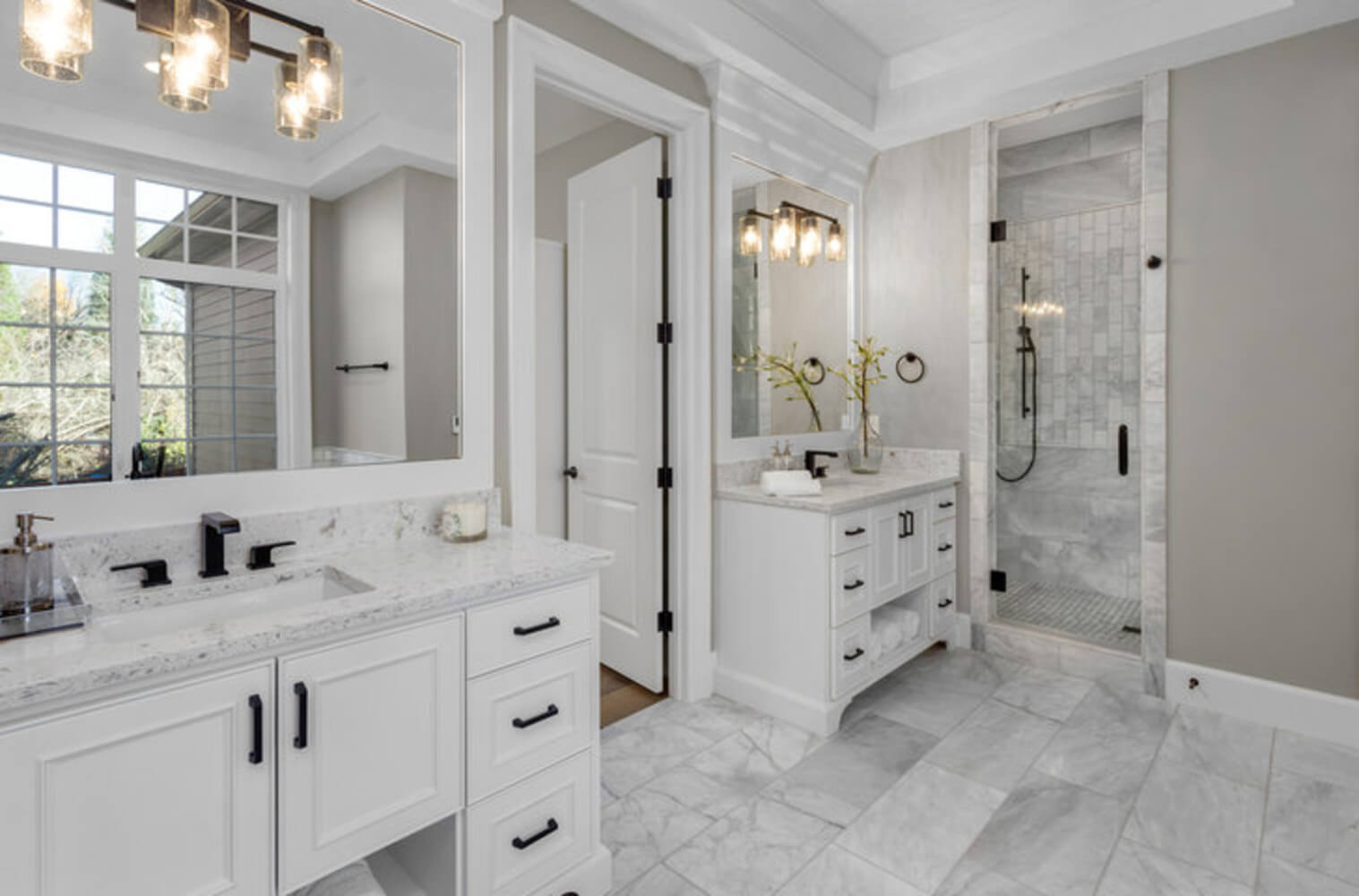
Satin or semi-gloss are the right finishes for kitchens and bathrooms. These are the two rooms where moisture, grease, and regular cleaning make lower sheen finishes impractical — eggshell and flat will degrade quickly in either environment.
- Satin handles everyday cleaning and light moisture well. It’s a solid choice for kitchens where the walls aren’t directly above the cooking surface, and for bathrooms with good ventilation and a working exhaust fan.
- Semi-gloss is the better call where moisture is more intense — directly behind a sink, around a shower, or in a bathroom without a window or strong exhaust fan. The higher resin content makes it significantly more resistant to moisture damage over time.
In Austin, humidity is a factor even in rooms that feel dry. A bathroom that seems well-ventilated can still trap enough moisture to degrade a lower sheen finish faster than expected. A professional painter will assess ventilation and moisture exposure during the walkthrough — it’s one of the details that changes the recommendation. For homeowners planning a broader bathroom update, a beautifully remodeled bathroom involves more decisions than paint alone.
Hallways, Entryways, and Trim
Hallways and entryways are the highest-traffic areas in most homes. Walls get brushed, scuffed, and touched constantly — more than any other space in the house. Satin is the standard recommendation here because it holds up to repeated cleaning without looking overly shiny.
Eggshell is too soft for these spaces in most cases. It will show wear faster and become harder to maintain as the months go on.
Trim follows different rules than walls. Baseboards, door frames, and window casings get semi-gloss almost universally — they define the edges of a room visually and take more direct contact than any wall surface. Semi-gloss holds up and looks intentional against whatever finish is on the walls.
Doors follow the same logic:
- Interior doors get semi-gloss as standard. They’re touched constantly and need a surface that can be wiped down repeatedly without the finish breaking down.
- Door frames and casings match the doors — semi-gloss keeps everything consistent and durable across the room’s edges.
The Right Finish Makes the Whole Project Work
Color gets all the attention, but finish is what determines whether a room actually holds up to the way it’s lived in. The wrong finish in the wrong room doesn’t just look off — it wears out faster, cleans poorly, and ends up costing more to fix than it would have to get right the first time.
Knowing what sheen means and what belongs in each room puts you in a much stronger position walking into a consultation. You’re not starting from zero — you’re walking in with a framework and the right questions already formed.
At Austin Painting & Drywall, we help homeowners work through exactly these decisions before a brush touches the wall. If you’re planning an interior project and want to talk through your finish and color choices with someone who does this every day, schedule a free consultation and we’ll walk through it with you. You can also learn more about our residential painting services before you reach out.