How Interior Painting Works: What to Expect Start to Finish

How interior painting works start to finish is something most homeowners never think about until they’re already committed to a project. If you’ve never hired a professional painter before, the process can feel like a black box — you know you want freshly painted walls, but you’re not sure what happens between the first call and the final result. If you’ve hired before and it didn’t go well, the uncertainty is different. You want to know what a well-run project actually looks like before you commit again. Either way, knowing the sequence puts you in a much stronger position going in. A professional interior painting project follows a clear, predictable process, and understanding each stage helps you plan around it with confidence.
How Interior Painting Works Before the Crew Arrives
Everything that determines whether a project goes smoothly happens before a single brush touches the wall. The consultation, the estimate, and the handoff between signing and start day are where a well-run project is built.
The Consultation and Walkthrough
The process starts with an in-home walkthrough. A professional painter walks the rooms being painted, assesses the condition of the walls and ceilings, identifies anything that needs repair or special attention, and gets a clear picture of the full scope before any numbers are discussed.
This is also when finish and sheen decisions come up. Homeowners who haven’t locked those in yet should have them sorted before the consultation — knowing whether you want eggshell in the living room and satin in the hallways gives the painter the information they need to estimate materials accurately and recommend the right products for each space.
To make the consultation as productive as possible, come prepared with:
- A list of rooms and surfaces to be painted
- Any color decisions or inspiration you’ve gathered
- Concerns about scheduling, pets, or furniture
- Questions about the process, products, or timeline
A thorough walkthrough protects you. It ensures the estimate reflects the actual scope of the work and significantly reduces the chance of surprises once the crew is on site.
The Estimate and What It Should Cover
A professional estimate should do more than hand you a total number. It should itemize labor, materials, prep work, number of coats, and the projected timeline so you understand exactly what you’re paying for and what’s included.
If an estimate doesn’t break down what’s covered, that’s worth paying attention to. Vague estimates are where scope disputes start. When a contractor is clear and detailed at the estimate stage, that communication style tends to carry through the rest of the project. When they’re not, it usually doesn’t improve.
What Happens Between Signing and Start Day
Once the project is scheduled, you should receive confirmation of the start date, the daily working schedule, and a direct contact for questions before the crew arrives.
On your end, there are a few things to take care of before start day:
- Remove small valuables, wall art, and fragile items from the rooms being painted
- Secure pets in a part of the home away from the work area
- Clear surfaces near walls, like nightstands, bookshelves, and countertops
Professional painters handle furniture protection and room prep on site. You don’t need to move large furniture or cover floors before the crew arrives — that’s part of their process.
What Professional Prep Work Actually Involves
Prep work is the part of an interior painting project most homeowners never see, but it’s the single biggest determinant of how the finished paint looks and how long it holds up.
Protecting Your Home Before Painting Begins
Before any paint is applied, the crew protects the surrounding space. This includes:
- Drop cloths on all floors in the work area
- Plastic sheeting over furniture that stays in the room
- Painter’s tape on trim, windows, doors, and hardware
Outlet covers and switch plates are typically removed before painting and reinstalled after. This produces cleaner edges than taping around them and is one of those small details that separates a careful crew from a careless one.
A professional crew treats protecting your home as part of the job, not an afterthought. The condition of your space at the end of each workday reflects the contractor’s standards as much as the paint on the walls does.
Surface Preparation and Why It Determines the Final Result
Surface prep is what happens to your walls before a drop of paint is applied. A thorough prep process includes:
- Cleaning walls to remove dust, grease, and residue
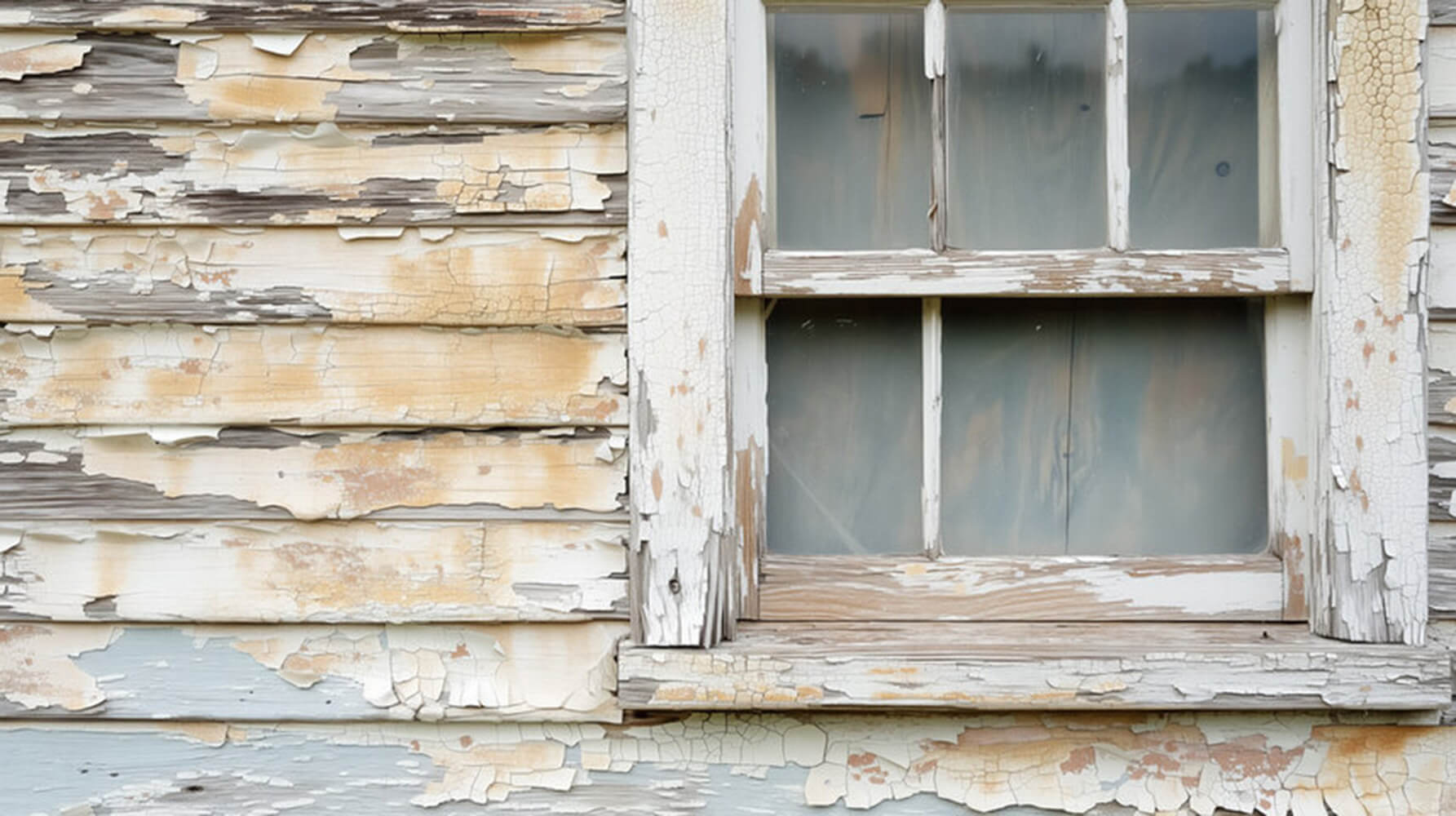
- Sanding rough spots or previously glossy areas to improve paint adhesion
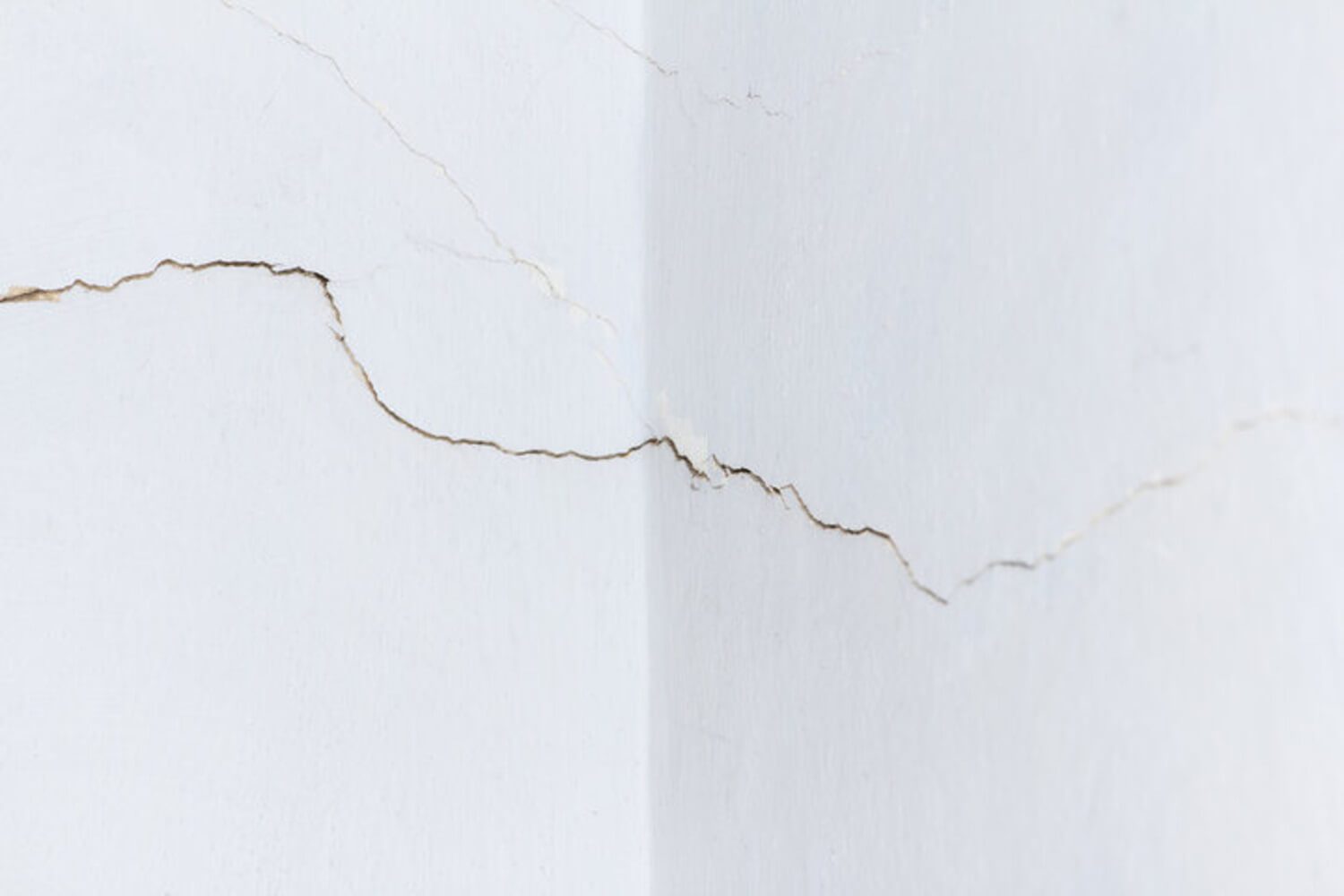
- Patching nail holes, hairline cracks, and minor drywall damage
- Caulking gaps along trim joints and corners for cleaner lines
Paint applied over a poorly prepared surface will show every imperfection underneath it — bumps, cracks, uneven texture — regardless of the quality of paint used. The prep is what the paint is relying on.
The amount of prep required depends on the condition of your walls. Older Austin homes that have been repainted multiple times, or walls that have sustained minor damage over the years, typically need more prep time than new construction. Skipping or rushing this stage is the most common reason an interior paint job looks uneven or starts showing wear earlier than it should.
What the Painting Phase Looks Like Day to Day
Once prep is complete, the painting phase is where the project becomes visible. Understanding how a professional crew works through a space helps you know what to expect each day and why the rooms look the way they do at different points in the process.
How a Professional Crew Works Through a Space
Paint is applied using a combination of tools depending on the surface and the desired finish:
- Brushes handle edges, corners, and detail work
- Rollers cover larger wall and ceiling areas
- Spray equipment may be used on trim or doors where a smoother, more consistent finish is needed
The sequence matters. Ceilings are painted before walls, and trim and doors are painted last. This order minimizes the risk of drips or overspray landing on finished surfaces. Multiple coats are standard on most interior projects. The number depends on the color change, the condition of the surface, and the paint being used — and each coat needs adequate drying time before the next goes on.
In Austin’s summer heat, experienced painters plan their workflow carefully. Paint applied in extreme heat or direct sun dries too fast, which can compromise how it bonds to the surface. A professional crew knows how to sequence the work to account for temperature and humidity conditions throughout the day.
What You Can Expect While Work Is Underway
The crew arrives at a consistent time each day and works a defined schedule. You should know the daily start and end times before work begins — not find out when they knock on the door.
A few things to expect during active painting days:
- Rooms being painted will be off-limits while paint is wet; a professional crew tells you which spaces are available at each stage
- Low-VOC paints produce minimal odor, but some primers and specialty coatings have a more noticeable smell; if anyone in your household has sensitivities, ask about the specific products being used upfront
- At the end of each workday, the space should be left clean — drop cloths in place, tools stored, and pathways clear
What the Final Walkthrough Tells You About the Contractor
The final walkthrough is when you and the painting company review the completed work together. Every painted surface gets checked, questions get raised, and any touch-ups are identified and completed before the crew packs up and leaves.
What this looks like in practice:
- Each room is walked with you present
- You point out any areas of concern and they’re addressed on the spot
- Remaining touch-ups are completed before the job is considered done
A contractor who conducts a thorough final walkthrough and doesn’t consider the job finished until you’re satisfied is telling you something about how they run their business. A contractor who rushes it, or skips it entirely, is telling you something too.
Before the crew leaves, leftover paint should be labeled with the room name, color, and finish and left with you. This makes future touch-ups accurate and takes the guesswork out of matching the color down the road.
What to Know After the Project Is Complete
Paint feels dry within a few hours of the final coat, but full curing takes longer. Depending on the paint type and the conditions inside your home, full cure can take anywhere from a few days to a couple of weeks.
During the curing period:
- Avoid scrubbing or washing painted walls
- Don’t place furniture directly against walls
- Use a soft cloth for any light cleaning that’s needed
- Hold off on hanging heavy artwork or shelves
Light furniture can typically be moved back within 24 hours of the final coat. Heavier pieces and wall hangings should wait until the paint has had time to fully cure.
If peeling, blistering, or uneven coverage appears after the project is complete, that’s a workmanship issue — not normal wear. A reputable contractor offers a stated guarantee and returns to address it without making you chase them down. Austin Painting and Drywall backs every interior project with a 2-year workmanship guarantee and a 3-year paint warranty. If something isn’t right after the job is done, they come back and fix it.
What Separates a Well-Run Interior Project from a Frustrating One
You now understand the full sequence from first call to final coat. But knowing the steps is only part of it. What makes a project actually go well is the quality of execution and communication at every one of those stages.
The variables that separate a smooth project from a frustrating one:
- Clear communication from the first call through the final walkthrough
- A consistent crew that shows up on time and works a defined schedule
- An on-site project manager who is accountable for quality and available when questions come up
- A company that stands behind the work after the job is done
Austin Painting and Drywall puts a full-time project manager on every job. Not to check in occasionally, but to be present on site, catch issues before they become problems, and give you a direct point of contact throughout the project. For homeowners who have dealt with contractors who go quiet once the deposit clears, that difference is significant.
If you’re planning an interior project and want to talk through the scope, timeline, and what the process looks like for your specific home, schedule a free consultation and we’ll walk through it with you. You can also learn more about our residential painting services before you reach out.