Signs Your Drywall Needs Professional Repair
Drywall is a surface material. What’s visible on the face of the wall is often the last place damage shows up, not the first. The most common causes of drywall damage — moisture intrusion, foundation movement, and impact — all start behind or beneath the surface and work their way outward.
By the time a stain, crack, or soft spot is visible, the condition behind the wall has usually been developing for some time. Austin’s climate adds specific pressure to this. Summer heat and humidity cycles cause building materials to expand and contract repeatedly. Foundation movement is common in the area. Moisture that gets behind drywall in a hot climate deteriorates faster than it would in a drier one. Visible damage is a symptom. Understanding what’s causing it is what determines the right response.
Signs Your Drywall Needs Professional Repair in Austin Homes
The signs below indicate that drywall damage has moved past the point of a simple patch. Each one tells you something specific about the condition of the wall behind the surface.
Cracks That Come Back After Being Patched
A hairline crack above a door frame or along a seam is common. Houses settle and drywall moves with them. That kind of crack is often cosmetic and easy to address.
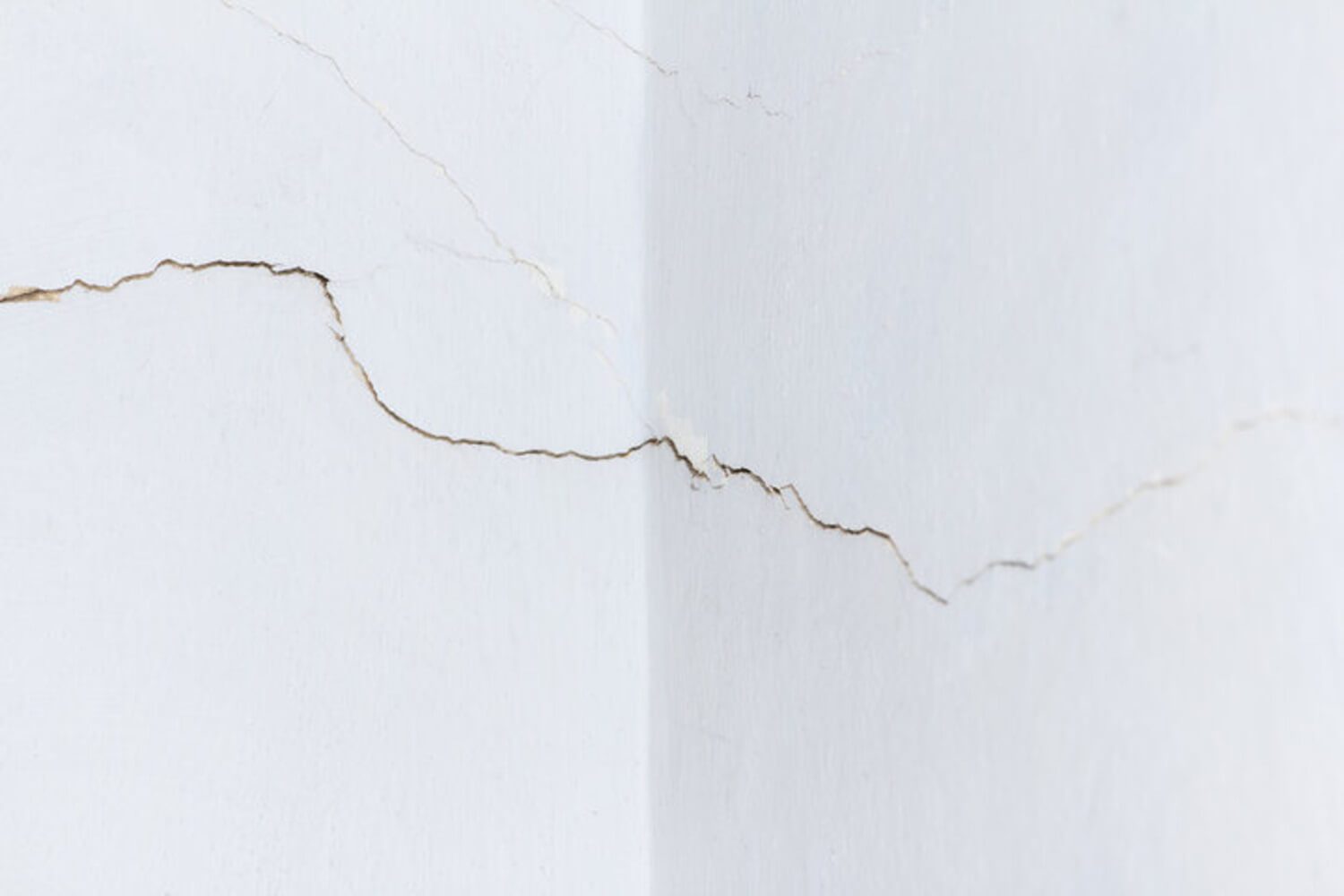
The sign that warrants professional attention is a crack that returns after being patched, widens over time, or runs diagonally from the corners of door and window frames. If you’ve already patched a crack and it came back, a surface fix isn’t solving the problem. Something is still moving — foundation settlement, framing shifts, or failed tape at the seam.
Austin homes face more foundation movement than homes in many other markets. The expansive clay soils across much of the metro shift with moisture changes. Homes built on this soil move more than those on stable ground. That movement shows up in drywall first, typically as diagonal cracks at door and window corners. Austin Painting and Drywall covers the different crack types and what each one indicates if you want more detail on what you’re looking at. A professional can tell you whether a crack pattern reflects normal cosmetic settling or active structural movement.
Water Stains, Soft Spots, and Discoloration
Yellow or brown staining on walls or ceilings almost always means water. It could be an active leak or one that dried out but left damage behind. Either way, the stain on the surface isn’t the damage — it’s the marker of where water traveled after entering from somewhere else. The source could be a roof, a pipe, a window seal, or condensation from an HVAC line.
Press on any stained or discolored area. If the wall feels soft or spongy, the gypsum core has absorbed moisture and started to break down. Drywall in that condition can’t be patched. It needs to come out and be replaced. Any repair involving water damage must also address the moisture source first. Patching over active water intrusion produces a repaired surface that fails again for the same reason.
Austin’s humidity cycles mean trapped moisture behind drywall doesn’t always dry out quickly. In summer months especially, the conditions behind the wall stay warm and damp long enough to accelerate deterioration. If you’ve noticed staining and want to understand what it means for the structure behind the wall, the long-term effects of neglected water damage are worth reading before you decide how to respond.
Holes, Dents, and Impact Damage
Holes from doorknobs, hardware, or accidental impact are common. Small ones are often straightforward to address. The threshold for professional repair is when a hole is large enough to require backing support behind the drywall to hold a patch — generally anything larger than a few inches in diameter.
Damage near high-traffic areas warrants extra attention:
- Hallways and entryways where walls take repeated contact
- Areas behind doors where knobs punch through on hard opens
- Corners and edges that take impact from furniture being moved
Repeated impact weakens the surrounding drywall beyond the visible point of damage. A professional repair ensures the patch has proper backing support and the compound builds up in the right layers so the repair holds over time.
Bubbling or Peeling Paint on Walls and Ceilings
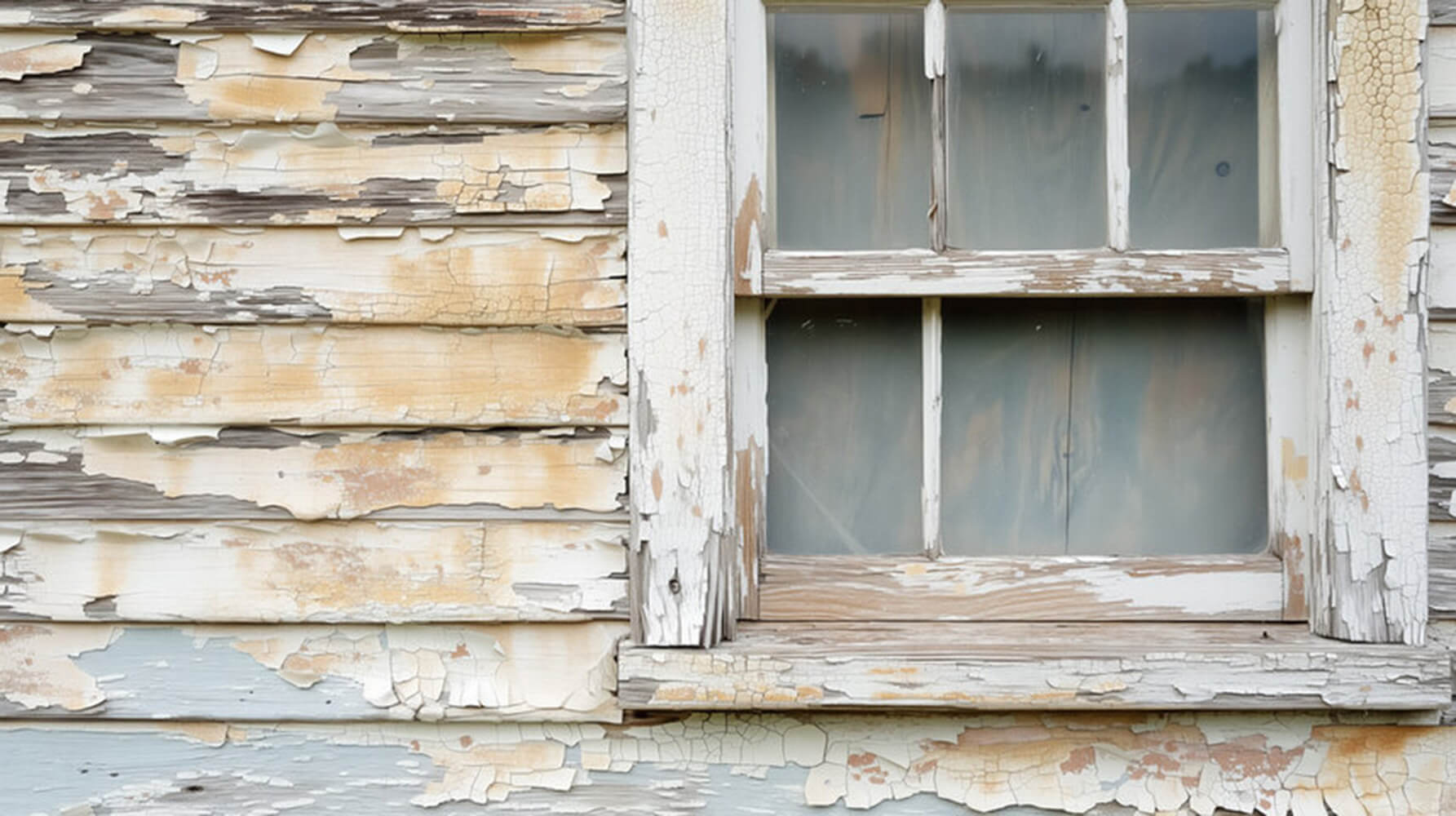
Paint that bubbles, peels, or separates from the wall surface is not a paint problem. It’s a drywall problem. Bubbling means moisture sits behind the paint film and pushes it away from the surface. Peeling at seams often means the joint compound beneath is failing.
Both conditions mean the drywall surface is compromised. Repainting without addressing the underlying issue produces the same result — paint that fails again within months. This sign is easy to misread as cosmetic because it looks like a paint failure. It almost never is. Have the drywall assessed before scheduling any repainting. Painting over a compromised surface wastes the paint investment and covers a condition that keeps worsening.
Sagging Ceilings or Walls That Bow Outward
A ceiling that sags or a wall section that bows outward has lost its structural connection to the framing behind it. On ceilings, this typically means fasteners have pulled through drywall softened by moisture absorption, or the board has become too heavy to hold its position. On walls, bowing usually means water pooled behind the board and pushed it away from the studs.
Sagging ceiling drywall is a safety concern. It can come down. This is not damage to monitor over time. Address it immediately.
When Professional Repair Is Enough and When Replacement Is the Right Call
The general rule is straightforward. Repair works when the drywall substrate is still structurally sound and the damage is limited to the surface or a defined area. Replacement is needed when the board itself has been compromised.
Repair is appropriate for:
- Small to mid-size holes with intact surrounding drywall
- Hairline cracks that have stayed stable
- Surface stains where the board behind is still firm
- Nail pops
- Minor corner bead damage
Replacement is required for:
- Soft or crumbling board
- Any section with active mold growth
- Sagging or bowing sections
- Widespread water damage where the gypsum core has broken down
There’s a middle ground worth knowing about. A wall with a few square feet of damage surrounded by intact drywall often doesn’t need full replacement. A professional cuts out only the damaged section, patches in new board, and matches the texture. The homeowner doesn’t always face a full wall tear-out.
Texture matching is what separates a professional repair from a visible one. Getting knockdown, orange peel, or smooth finish to blend into an existing wall takes the right tools and experience. A patch that doesn’t match the surrounding texture stands out from across the room regardless of how well the compound work was done. If you need drywall installation or full section replacement, that’s a separate scope from repair — and knowing which you need before work starts saves time and money.
What Ignored Drywall Damage Becomes in Austin’s Climate
Drywall damage doesn’t stabilize on its own. In Austin’s climate, the conditions that cause it tend to make it worse over time.
Moisture that gets behind drywall in Austin’s summer heat creates conditions for mold growth within 24 to 48 hours of water exposure. Mold on the surface almost always means more mold behind the wall than is visible. Foundation movement that causes one crack will cause more as the soil continues to shift. A single diagonal crack above a door frame that goes unaddressed often becomes a pattern of cracks across multiple walls.
Drywall damage addressed early is almost always a repair. Drywall damage left to develop often becomes a replacement — and in cases involving water intrusion or mold, may require remediation of the framing behind the wall before new drywall goes in. Once repairs are complete, the walls are ready for residential painting — the two services typically go together, and doing them in the right order protects the finish.
A professional assessment is the only way to know which category your damage falls into. A visual check from the homeowner’s perspective shows what’s on the surface. A professional looks at what the surface damage indicates about the condition behind it.
At Austin Painting and Drywall, we assess drywall damage before recommending a repair or replacement path. If you’re seeing any of the signs above and want to understand what you’re actually dealing with, schedule a free consultation and we’ll walk through it with you.