The Ultimate Guide to Fixing Cracks in Drywall

Drywall is one of the most common building materials used in modern construction. It is easy to install, affordable, and versatile. However, one of the most common problems that homeowners face is cracks in their drywall. Cracks in drywall can be caused by a variety of factors, including settling, humidity changes, and even normal wear and tear. Fixing Cracks in Drywall is crucial, better let the professional drywall installer handle that!
Types of Drywall Cracks
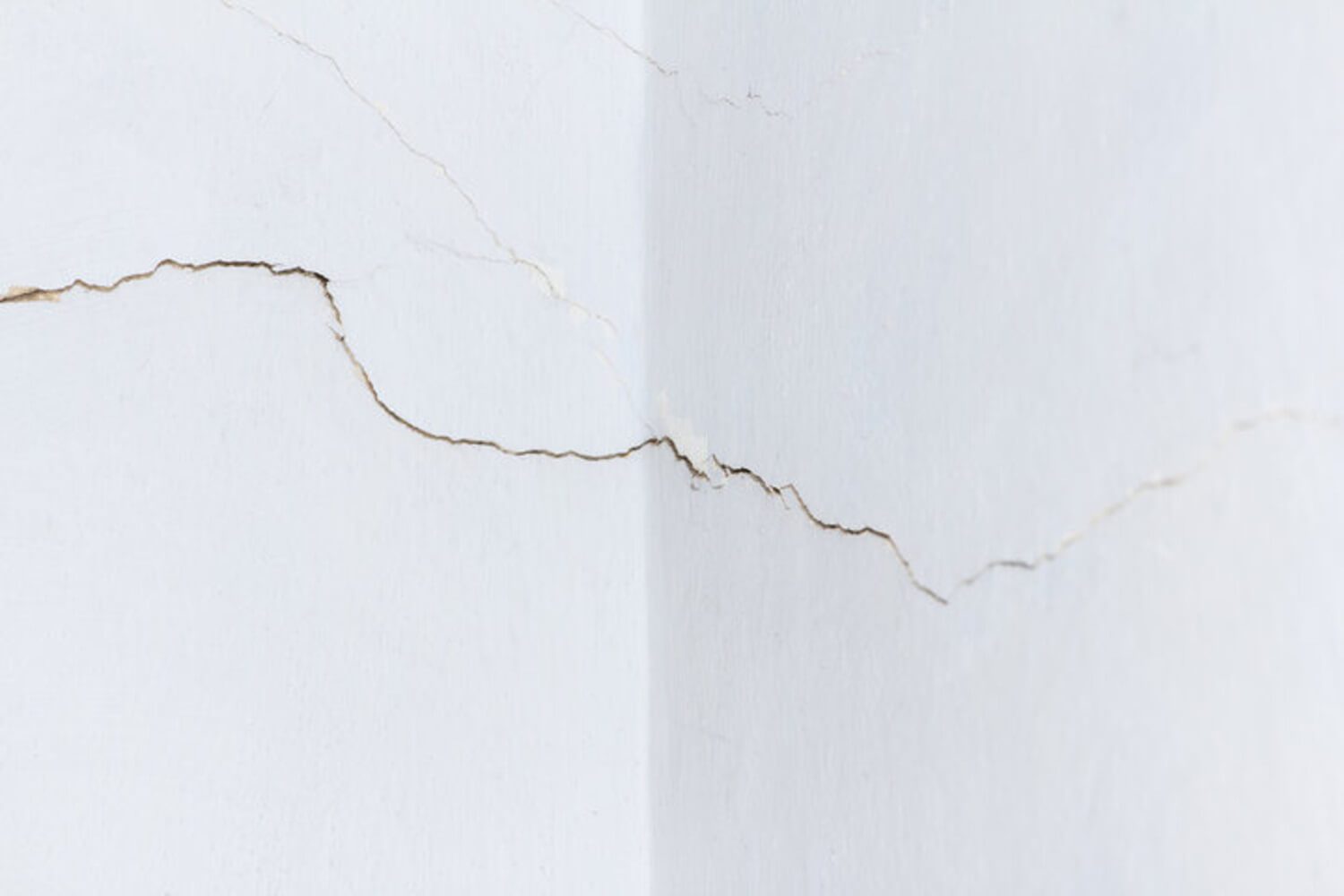
Before we dive into how to fix drywall cracks, it is important to understand the different types of cracks that can occur. Here are the four most common types of drywall cracks:
- Horizontal Cracks
Horizontal cracks typically occur near the ceiling or near a door or window. They are usually caused by settling, which can cause the drywall to shift and crack horizontally. - Vertical Cracks
Vertical cracks are often caused by temperature changes, humidity changes, or settling. They can appear in various areas of the wall and can be a sign of a more serious problem. - Hairline Cracks
Hairline cracks are very thin and are usually caused by the natural expansion and contraction of the drywall. They are typically not a cause for concern and can be easily repaired. - Corner Cracks
Corner cracks can be caused by a variety of factors, including poor installation, settling, or physical damage. They can be more difficult to repair than other types of cracks.

Causes of Drywall Cracks
Now that you understand the different types of drywall cracks, let’s take a closer look at the most common causes:
- Settlement
Settling is one of the most common causes of drywall cracks. As a house settles, the drywall can shift and crack, especially in areas where there is a lot of stress. - Humidity Changes
Humidity changes can cause the drywall to expand and contract, which can lead to cracks over time. This is especially true in areas with high levels of humidity. - Temperature Changes
Extreme temperature changes can also cause the drywall to expand and contract, which can lead to cracks. This is especially true in areas with a lot of temperature fluctuation. - Poor Installation
Finally, poor installation can also cause drywall cracks. If the drywall is not installed properly, it may shift and crack over time.
Tools and Materials Needed
Before you start fixing your drywall cracks, you will need the following tools and materials:
- Joint compound
- Drywall tape
- Putty knife
- Sandpaper
- Paint
Steps to Fix Drywall Cracks
Now that you have your tools and materials, let’s get started fixing your drywall cracks. Here are the steps:
- Preparing the Area
The first step is to prepare the area around the crack. This involves removing any loose drywall or debris around the crack and cleaning the area with a damp cloth. Then, apply a piece of drywall tape over the crack to reinforce it. - Applying Joint Compound
Next, apply a thin layer of joint compound over the tape, making sure to completely cover it. Smooth out any excess joint compound using a putty knife. - Sanding and Smoothing the Joint Compound
Once the joint compound has dried, use sandpaper to smooth out any rough spots or bumps. Be sure to wear a mask to avoid inhaling the dust. - Adding Another Layer of Joint Compound
Apply another thin layer of joint compound over the first layer, extending it out about six inches from the crack. Again, smooth out any excess joint compound using a putty knife. - Sanding and Finishing the Wall
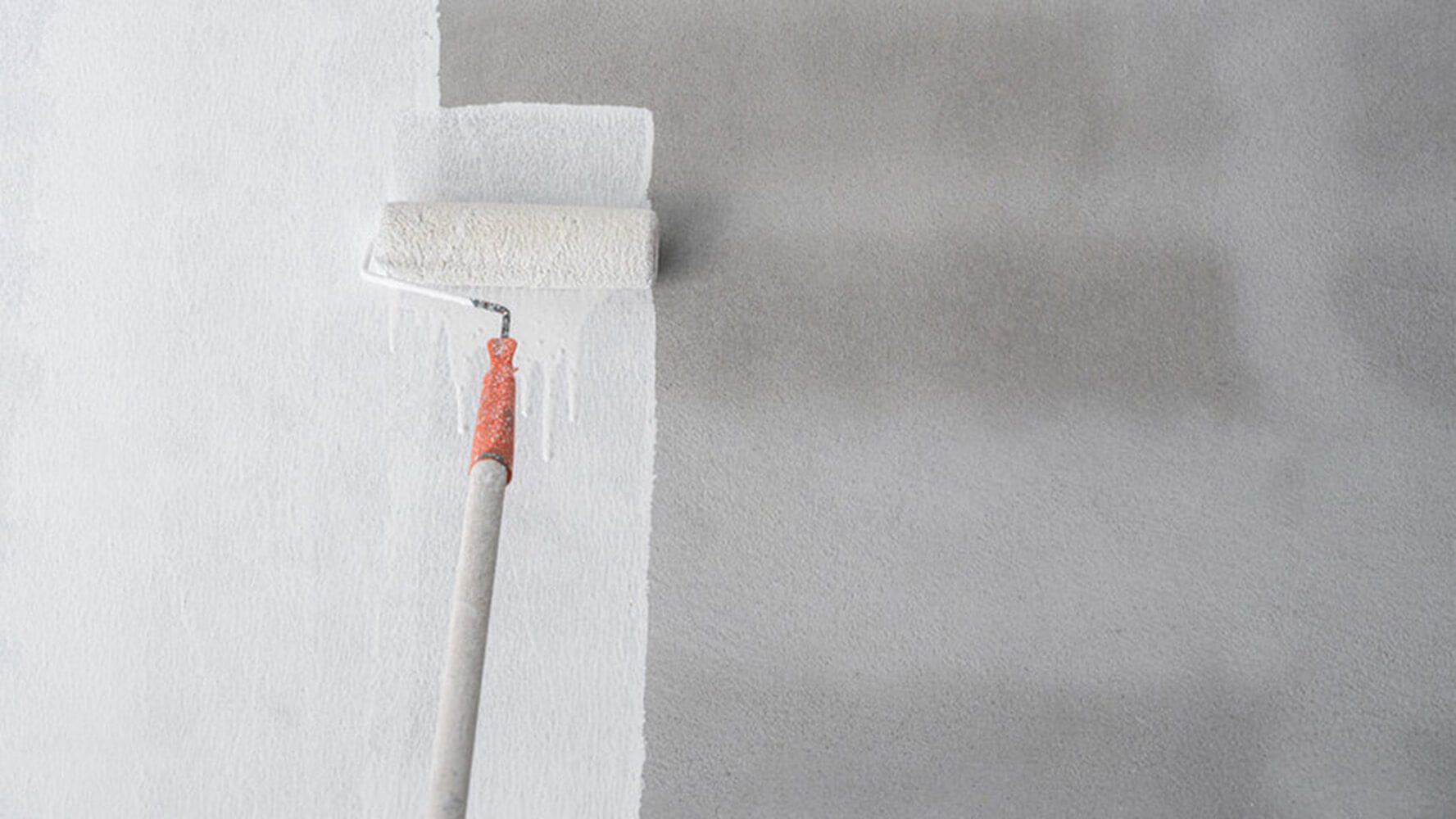
Once the second layer of the joint compound has dried, sand the wall again to create a smooth finish. Then, you can apply paint to match the surrounding wall.

Tips for Preventing Drywall Cracks
Preventing drywall cracks is much easier than fixing them. Here are some tips to help avoid cracks in drywall in the future:
- Proper Installation
Make sure that your drywall is installed properly. Hire a professional drywall installer if necessary to ensure that your drywall is installed correctly and securely. - Avoiding Extreme Temperature Changes
Avoid exposing your drywall to extreme temperature changes. Keep your home at a consistent temperature and avoid turning the heat up or down too quickly. - Controlling Humidity Levels
Maintain a consistent humidity level in your home to prevent the drywall from expanding and contracting too much. Use a dehumidifier in areas with high humidity.
Conclusion
Fixing drywall cracks may seem like a daunting task, but with the right tools and techniques, it is a simple process that can be done by anyone. By following the steps outlined in this guide and taking steps to prevent future cracks, you can ensure that your drywall remains strong and durable for years to come.
If you need any drywall installation assistance, Contact Austin Painting & Drywall! We will give you the drywall satisfaction you need!
Also Read : How to Spot and Repair Drywall Damage in Your Home
FAQs
- Can I use spackling instead of joint compound to fix drywall cracks?
Spackling can be used for small cracks, but a joint compound is recommended for larger cracks. - How long does it take for the joint compound to dry?
The joint compound usually takes 24 hours to dry. - What is the best type of sandpaper to use when smoothing out joint compounds?
Fine-grit sandpaper, such as 220-grit, is best for smoothing out joint compounds. - How often should I check my drywall for cracks?
It is a good idea to check your drywall for cracks every six months or so, especially in areas that are prone to cracking. - Can I paint over the joint compound once it has dried?
Yes, you can paint over the joint compound once it has dried.