The Sound of Success: Transforming Workspaces with Acoustic Ceilings
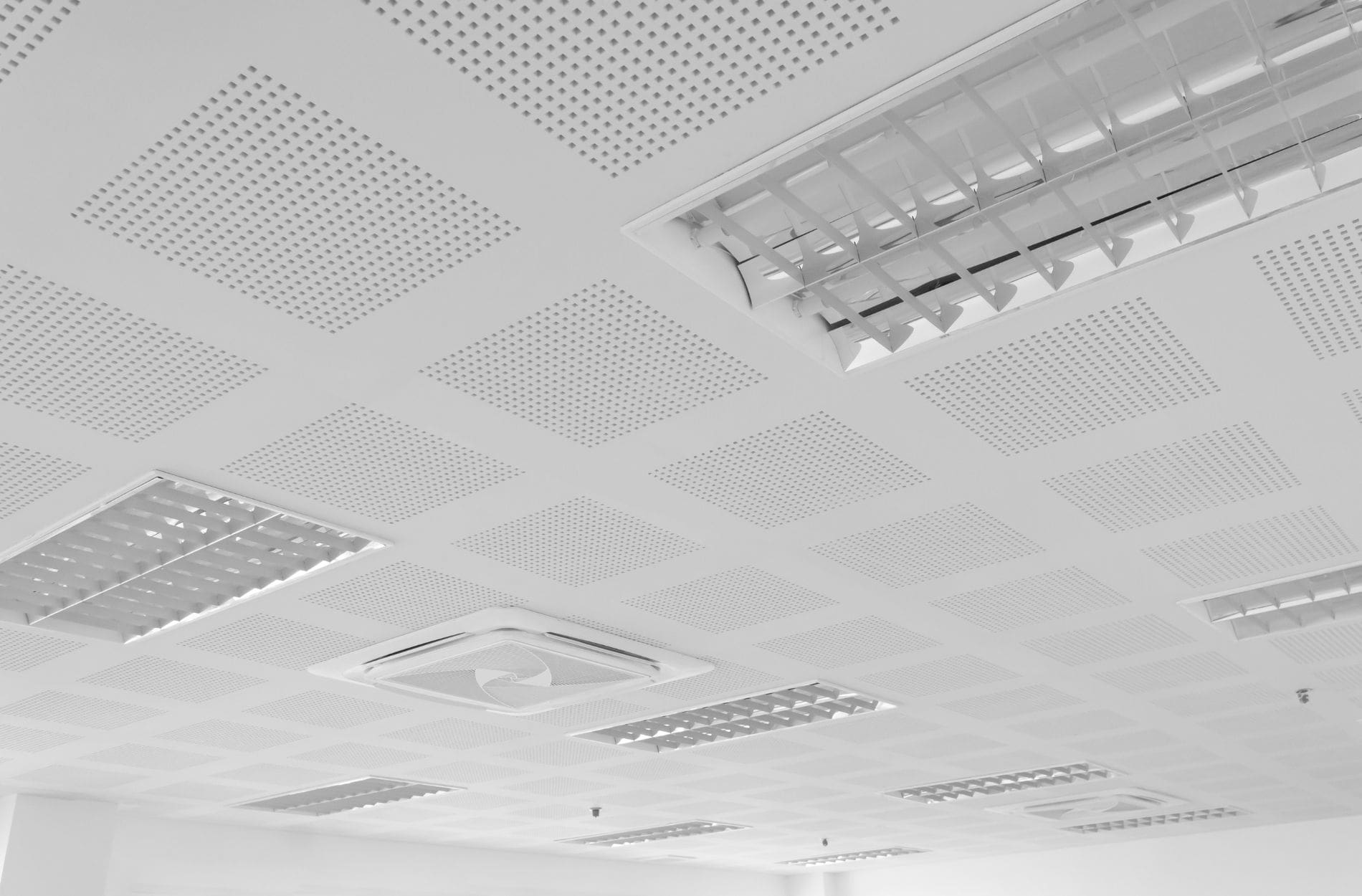
Creating a peaceful and productive work environment can be challenging. One effective solution is installing acoustic ceilings. These ceilings help manage noise, making workspaces calmer and more focused. Employees can concentrate better, and overall productivity increases.
Acoustic ceilings work by absorbing sound, reducing echoes and background noise. This makes conversations clearer and minimizes distractions. Happy employees are more likely to be productive. The result is a more efficient and pleasant place to work.
In addition to noise control, acoustic ceilings also add to the aesthetic of the office. They come in various materials and styles, which can match any office design. Whether you are setting up a new office or renovating an old one, acoustic ceilings offer multiple benefits that can transform your workspace.
Benefits of Acoustic Ceilings
Acoustic ceilings significantly improve the work environment by reducing noise levels. They absorb sound waves, which helps to minimize echoes and background noise. This creates a quieter and more peaceful workspace. When noise levels drop, employees find it easier to concentrate on their tasks. This leads to higher productivity and better job satisfaction.
Reducing noise also improves communication within the office. Clearer conversations mean fewer misunderstandings and quicker problem-solving. Employees can work together more effectively when they don’t have to strain to hear each other. This leads to better teamwork and more efficient work processes.
Acoustic ceilings also make the office more comfortable. Lower noise levels reduce stress and fatigue, making the work environment more pleasant. When employees feel comfortable and less stressed, they are more likely to stay focused and perform well. This enhances overall employee well-being, which is crucial for long-term success.
Types of Acoustic Ceiling Materials
Different materials are used in acoustic ceilings, each with its advantages and disadvantages. Here are some common options:
1. Mineral Fiber
- Pros: Mineral fiber tiles are affordable and offer excellent sound absorption. They come in various textures and designs, making them versatile for different office styles.
- Cons: They can be affected by humidity and may sag or discolor over time. Regular maintenance is necessary to keep them looking their best.
2. Foam
- Pros: Foam panels are lightweight and easy to install. They provide good sound absorption and are available in various shapes and sizes. Foam is also resistant to moisture, making it suitable for different environments.
- Cons: Foam panels can be more expensive than mineral fiber options. They may also be less durable and might need replacement sooner.
3. Wood
- Pros: Wood panels add a natural and elegant look to the office. They offer good acoustic properties and can be customized to fit specific design needs. Wood is also durable and can last for years with proper care.
- Cons: Wood panels can be quite expensive and require regular maintenance. They are also heavier, making installation more complex.
Choosing the right material for your acoustic ceiling is important. Consider factors like budget, design preferences, and the specific needs of your workspace. Each material has its strengths and can enhance the functionality and aesthetic of your office when used correctly.
Installation Process of Acoustic Ceilings
Installing acoustic ceilings in commercial spaces involves several steps. First, you need to assess the space. Measure the dimensions of the room to determine how much material you will need. Consider any obstacles like air vents, light fixtures, and piping that might affect the installation layout.
Next, choose the right materials for your acoustic ceiling. Decide between mineral fiber, foam, or wood based on your budget, design needs, and acoustic requirements. Once you have selected the material, gather all the necessary tools and equipment for the installation process.
The installation begins with preparing the ceiling grid. The grid system holds the acoustic panels in place. Secure the grid system to the ceiling using screws and ensure it is level. Once the grid is set, place the acoustic panels into it. Make any necessary cuts to ensure a proper fit around obstacles.
Install the edge trim to finish the project. The edge trim provides a clean look and supports the edges of the acoustic panels. Make sure all panels are securely in place and free from gaps. After installation, inspect the ceiling to ensure everything is properly aligned.
Maintenance and Cost-Effectiveness
Proper maintenance is key to ensuring the longevity of acoustic ceilings. Regular cleaning helps keep the ceiling in good condition. Use a soft cloth or vacuum to remove dust and dirt from the panels. Avoid using harsh chemicals that can damage the material.
Inspect the ceiling periodically for any signs of wear or damage. Replace any broken or damaged panels to maintain the ceiling’s effectiveness and appearance. In areas with high humidity, consider installing a dehumidifier to prevent moisture damage.
Acoustic ceilings are cost-effective in the long run. They can reduce energy costs by insulating the space, which helps maintain a consistent temperature. This reduces the need for heating and cooling, leading to lower energy bills. Additionally, acoustic ceilings require little maintenance, saving you money on repairs and replacements.
Energy efficiency, sound control, and durability make acoustic ceilings a smart investment for any commercial space. By choosing the right materials and maintaining them properly, you can enjoy a quieter, more productive work environment for years to come.
Conclusion
Transforming your workspace with acoustic ceilings offers numerous benefits. Reduced noise levels create a peaceful and productive environment. Employees can focus better, communicate more effectively, and experience less stress. Different materials like mineral fiber, foam, and wood provide various options to suit your design preferences and budget.
The installation process involves careful planning, material selection, and proper fitting to ensure optimal performance. Regular maintenance extends the life of your acoustic ceiling and enhances its functionality. Cost savings from energy efficiency and minimal upkeep further add to the appeal of installing acoustic ceilings in commercial spaces.
If you are ready to transform your workspace, contact Austin Painting & Drywall. Our acoustic ceiling contractor is here to help you choose, install, and maintain the perfect acoustic ceiling for your office. Make your work environment quieter, more efficient, and more comfortable with us.