How Insulation Boosts Sustainable Business
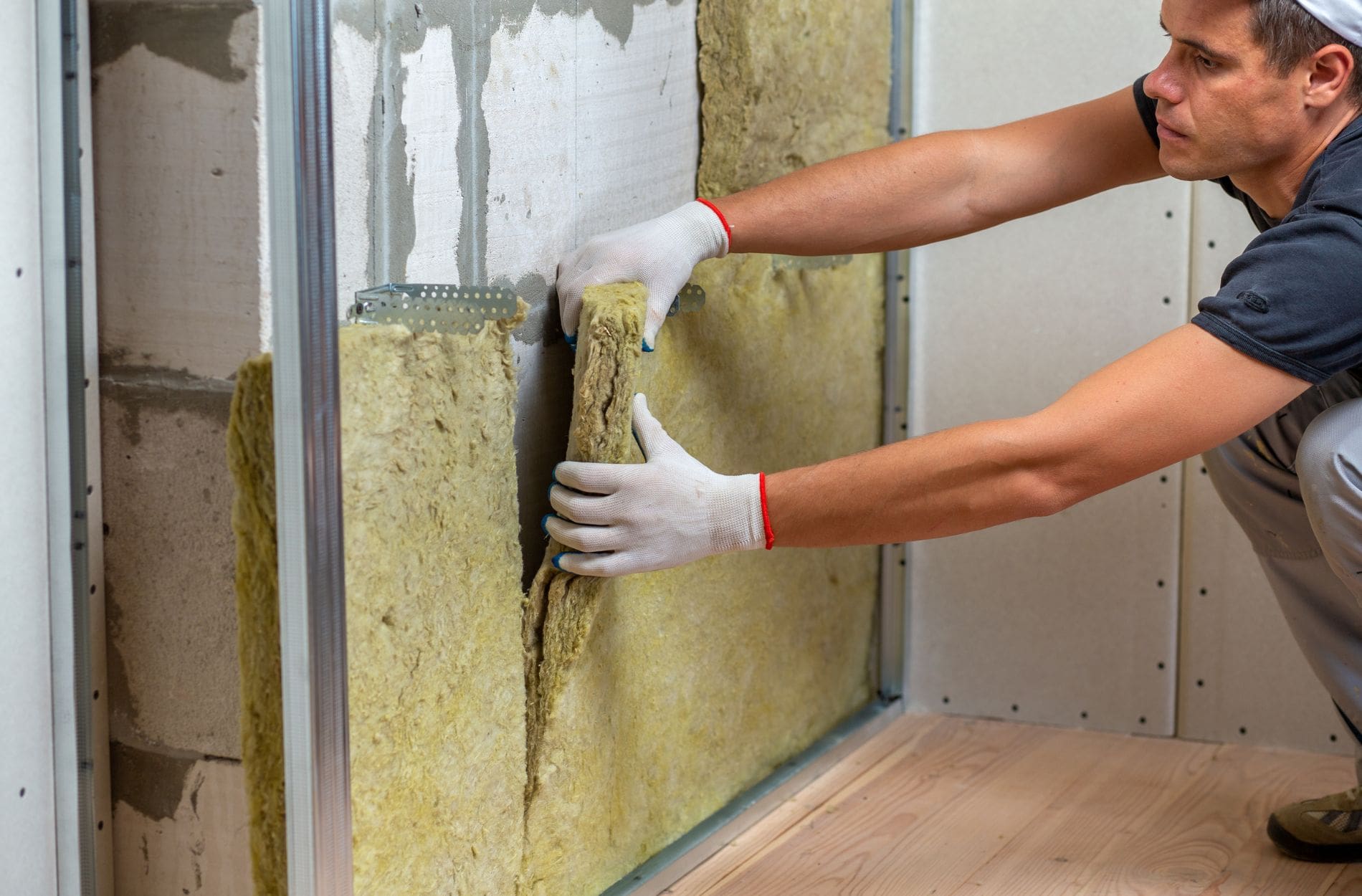
Commercial insulation is more than just a building requirement; it’s a smart investment for any business looking to boost sustainability. Insulating your commercial property can vastly improve energy efficiency, leading to significant cost savings. But the benefits go beyond just reducing utility bills. Proper insulation helps create a more comfortable and productive working environment.
Sustainability is not just a buzzword but a practical approach to doing business. By reducing energy consumption and contributing to a lower carbon footprint, businesses can play a critical role in environmental preservation. Insulation is a key component in this effort, helping companies meet green building standards and achieve sustainability goals.
The long-term financial benefits of commercial insulation cannot be overstated. While the initial investment might seem high, the ROI quickly becomes evident through reduced energy costs, increased property value, and enhanced marketability. Whether building new or retrofitting an existing structure, upgrading insulation is a step toward a more sustainable and financially savvy business operation.
Energy Efficiency Benefits of Commercial Insulation
Insulation plays a crucial role in reducing energy consumption in commercial buildings. By keeping warm air in during the winter and cool air in during the summer, insulation helps maintain a consistent indoor temperature. This reduces the need for heating and cooling systems to work overtime, which in turn decreases energy usage.
The impact of insulation on utility bills is significant. With less energy required to heat or cool your building, you’ll see a noticeable reduction in your monthly energy costs. Businesses can save a substantial amount of money over time. These savings can be redirected towards other essential areas, making your operation more cost-effective.
Energy-efficient buildings are also more comfortable for employees and customers. By reducing drafts and heat loss, insulation creates a more stable indoor environment. This can lead to increased productivity as employees are less affected by temperature fluctuations. Overall, proper insulation is a key factor in running an efficient and comfortable business.
Environmental Impact of Proper Insulation
Proper insulation not only benefits your bottom line but also has a positive impact on the environment. By reducing the amount of energy required for heating and cooling, insulation helps lower greenhouse gas emissions. This contributes to a smaller carbon footprint for your business.
Meeting green building certifications is another advantage of good insulation. Certifications like LEED (Leadership in Energy and Environmental Design) require buildings to meet strict energy efficiency and environmental standards. Quality insulation can help your building qualify for these certifications, showcasing your commitment to sustainability. This can attract environmentally conscious clients and partners.
Reducing energy consumption through insulation is a practical step towards a greener future. It demonstrates your responsibility toward the environment and can improve your company’s reputation. With the growing importance of environmental stewardship, proper insulation is a wise investment that benefits both your business and the planet.
Types of Commercial Insulation
Choosing the right insulation material for your commercial building is essential for maximizing benefits. Each type of insulation has its own strengths and best uses.
- Fiberglass Insulation: This is one of the most common types. It’s made from tiny glass fibers and is excellent for reducing heat transfer. Fiberglass is often used in walls, floors, and ceilings.
- Spray Foam Insulation: This type expands to fit the space it’s applied to, creating an airtight seal. It’s great for filling gaps and cracks. Spray foam is ideal for roofs and areas with unique shapes or hard-to-reach spaces.
- Cellulose Insulation: Made from recycled paper products, cellulose is an eco-friendly option. It’s treated for fire resistance and is good for attics and wall cavities.
Knowing where to use each type of insulation can maximize energy efficiency and other benefits. For example, spray foam works well in areas that need a complete seal, while fiberglass is usually best for large, open spaces.
Long-Term Financial Benefits
Investing in quality insulation yields significant long-term financial benefits. The initial cost may be higher, but the savings quickly add up. Improved energy efficiency results in lower utility bills, which can save businesses a lot of money over the years.
The return on investment (ROI) from insulation is impressive. Energy savings can often offset the initial cost within a few years. After that, the savings continue, effectively putting money back into your business.
Additionally, a well-insulated building typically has a higher market value. Potential buyers and renters are attracted to properties with lower operating costs and a clear commitment to sustainability. This makes your building easier to sell or lease, thereby increasing its marketability.
Conclusion
Commercial insulation is a smart investment for any business focused on sustainability and cost efficiency. From reducing energy consumption and lowering utility bills to decreasing your carbon footprint and meeting green building certifications, the advantages are extensive. Different types of insulation materials offer specialized benefits, enabling you to tailor solutions to your building’s specific needs.
The financial gains from improved insulation don’t stop at cost savings on energy bills. The increased property value and better marketability are significant advantages that enhance your business’s overall operational efficiency. A well-insulated commercial space is not just an eco-friendly choice; it’s a financially sound one as well.
At Austin Painting & Drywall, an Austin painting company, we are committed to helping businesses like yours achieve greater sustainability and efficiency through high-quality insulation solutions. Contact us today to learn more about how we can assist you in making your business operations more sustainable and cost-effective.